.png)


Silvi Q&A - What more can be done?
- May 2, 2022
- 4 min read
Updated: May 7, 2022
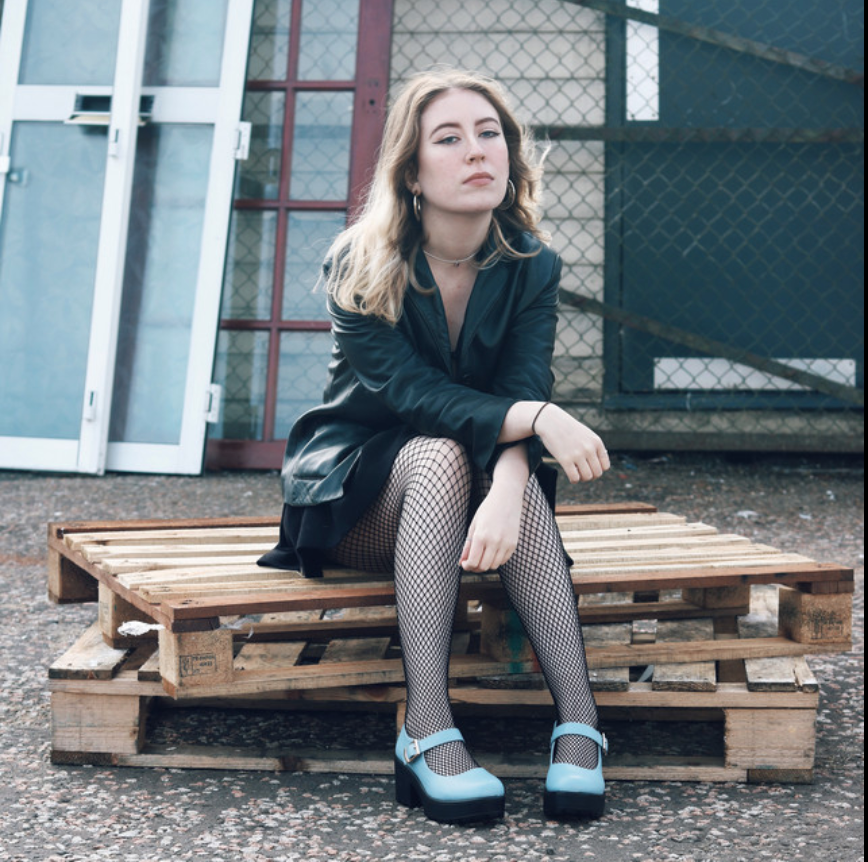
Jodi Findlay, also known as Silvi, is a singer/songwriter from West Lothian. Before becoming a solo star, Silvi was a duo creating alt. pop music influenced by the likes of Twenty-One Pilots, Billie Eilish and Wolf Alice. I wanted to find out what Jodi thinks needs to be done to help tackle the inequality faced by so many women creating music.

Have you felt like your gender has stopped you from doing anything or have you felt a certain amount of pressure comparing to your male colleagues?
“I wouldn’t say massively. I think systematically it affects you, but I don’t tend to think ‘oh I’m a girl, I better not put myself forward’. So, I don’t think it stops you, I think it means you have to work harder for certain opportunities, definitely. A lot of the time, guys will just have their friends as support acts and you see that all the time. But I’ve been really lucky because all the support slots I’ve had have come from male bands. So, it’s nice that they’re obviously starting to do it and I’m one of the first ones that they’ve given it to.”
I actually wanted to touch on line-ups, gigs, etc. Do you feel as though the organisers are putting in more women because it’s ‘trendy’, or do you think it’s because they’ve realised there’s a problem and they’re realising they need to do something about it?
“I think you can totally tell the authentic ones to the less sincere ones. A lot of the time, if it’s one girl, you can tell they’ve drafted an all-male line up and then been like ‘oh shit!’ and contacted their go-to token female, basically. But I feel like when its 50/50, they’ve made that conscious decision to be like ‘no there is a problem’. I’m not too sure how much I agree with the 50/50 thing because there aren’t as many girls, so there might not actually be as high a calibre of acts that are female fronted. I think that comes with good offers and making sure people are getting paid well enough so that you can get a high calibre of acts into a female headliner. There are a lot of promoters out there who are making that conscious decision, and I really respect them for it.”
I hope that naturally in the next few years it will become like a basic rule. But for now, how important do you think equality in the music industry is?
“I think it’s really important. And yeah, hopefully in the next few years, female headliners will become the default. They’re hiring women that maybe aren’t on the same level as the men they might have had in their place. So, it’s giving women the exposure they’ve been lacking for so many years. Whether that’s us in a room of ten people or one hundred people, it’s still ultimately exposure at the end of the day, which leads to there being the platforms for women. It’s not that women are less talented, it’s that they've not had as much opportunity and therefore, they're not as experienced."
From that, what do you think can be done? What do you think we can do to change?
“I think there needs to be more invested in the grassroots, I think there needs to be more of an effort to get more of a community made within women in music. I think that’s essential because it means you can network. I think a lot of the time, sometimes you’re the only woman in the room so you don’t have the chance to network because there’s not anybody else there! So, putting women all in that space together and making sure there is a as space for them to be able to have conversations with each other and plan, whether that be co-writing, or putting on a gig or working together as a journalist covering their next release, it’s all about the networking aspects.”
Do you have any advice for young female musicians?
“I would say if you have material you’ve been working on behind the scenes and you’re nervous about putting it out there, just go out with it. Test the water and see what people say, and if you find that it’s not your sound, or people aren’t as receptive to it as you would like them to be, go away and work on it yourself and then come back and try again. I think a lot of people have talked about making sure you’re polished and you’re this and you’re that, but I think for a lot of the time, it’s just diving into the deep end and then assessing how everything is and getting to grips with it a little bit. I would say go to open mics, message your local venue asking if they have any support slots that you could open for an act that’s playing. You’ll get the rubbish slots, you’ll probably have two people in the audience but ultimately its gaining experience and through that, you meet people because then you’re in those spaces and you’re able to talk to people who are there.”

You can find Silvi on:
Instagram - @silvisounds
Twitter - @SILVIsounds
Spotify - Silvi


Comments